


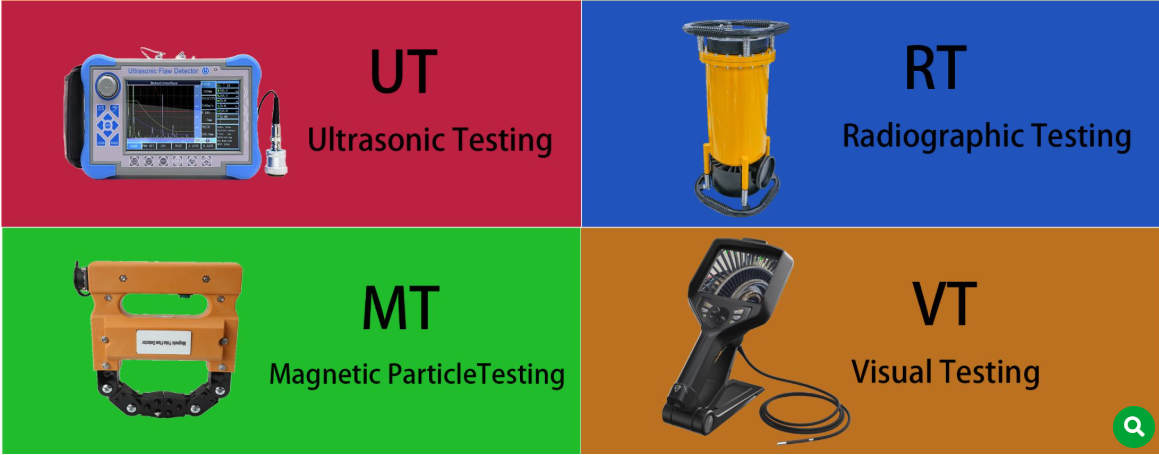
The non-destructive testing (NDT) sector is undergoing a significant transformation driven by increasingly strict safety standards and the growing importance of quality control across industries. While demand for structural verification remains strong, the gap in salaries between different methods and certification levels is becoming more pronounced.
Earnings in NDT are not determined solely by certifications. They depend heavily on the specific method, working conditions, and the level of responsibility involved. Understanding these factors is essential for building a successful career and negotiating competitive rates. The following analysis outlines current financial trends and highlights the competencies that deliver the highest income in today’s inspection industry.
Advanced Ultrasonic Techniques (PAUT / TOFD)
At the top of the pay scale are specialists in advanced ultrasonic systems such as Phased Array (PAUT) and Time of Flight Diffraction (TOFD).
These methods require more than manual skill. Inspectors must possess:
- a strong understanding of wave physics
- the ability to interpret complex digital data
- experience with advanced and costly equipment
In critical sectors such as nuclear energy and offshore, where these technologies are increasingly replacing traditional radiography, experienced inspectors can earn approximately:
➡️ €3,200 – €4,300 net per month
The high rates reflect both the cost of equipment and the responsibility for detecting even the smallest discontinuities in thick-walled structures.
Conventional Ultrasonic Testing (UT)
Traditional ultrasonic testing (UT) remains the backbone of volumetric inspection. Due to its wide application, it also has the largest salary range in the industry.
This method requires:
- strong spatial imagination
- analytical thinking
- the ability to interpret signal responses accurately
Typical earnings vary significantly:
- Basic tasks (e.g. thickness measurements, simple castings):
➡️ €1,400 – €1,700 net/month - Advanced diagnostics (complex welds, high-alloy steels, thick materials):
➡️ €2,500 – €3,200 net/month
In UT, the market strongly verifies real experience. A certificate alone is not enough—documented hands-on hours are what truly determine earning potential.
Radiographic Testing (RT) – High Risk, High Responsibility
Despite the rise of advanced ultrasonic methods, radiographic testing (RT) remains essential in many technical specifications and strict industry standards.
However, the working conditions are unique:
- exposure to ionizing radiation (controlled but regulated)
- frequent night shifts or shutdown work
- strict safety procedures
Because fewer specialists are willing to work under these conditions—and due to the high responsibility for radiological safety—salaries remain competitive:
➡️ €2,300 – €3,500 net/month
The highest rates are typically reserved for experienced professionals skilled in interpreting radiographs of welded joints in critical infrastructure such as pipelines.
Surface Methods (VT, PT, MT)
Visual testing (VT), penetrant testing (PT), and magnetic particle testing (MT) form the foundation of inspection processes. They are used at every stage of production.
However:
- entry barriers are relatively low
- training periods are short
As a result, salaries are the lowest in the ranking:
➡️ €1,200 – €1,700 net/month
That said, their real value increases significantly when combined with other certifications. An inspector who holds both surface and volumetric methods (UT or RT) is far more attractive to employers.
Versatility allows one person to handle complete inspection scopes, often increasing monthly earnings by 10–20% compared to narrowly specialized technicians.
Key Takeaways: What Drives the Highest Earnings?
The path to top income in NDT is clear:
- Specialize in advanced methods (PAUT / TOFD)
- Build real, documented experience
- Work in high-responsibility sectors (offshore, nuclear, energy)
- Combine multiple certifications for versatility
- Invest in Level 3 qualifications, foreign languages, and international standards
Editorial Note
This analysis is based on:
- 500+ job postings (Q1 2026)
- salary reports from technical recruitment agencies
- interviews with senior inspection personnel (IWE/IWI level)