


Latest Offers
140.00 PLN /h (net)
2 x Client Representative – Welding & NDT Inspector
Welding inspector | IWI | NDTExperience in offshore / heavy steel fabr...
8 000.00 EUR /mo. (gross)
9 000.00 EUR /mo. (net)
Inspektor NDT
Wymagania: certyfikaty RT II, RT ORS
43.00 EUR /h (net)
Starszy Inspektor ds. metod inspekcji
Wykształcenie wyższe techniczne (Mechanical Engineering lub pokrewne)....
40.00 EUR (net)
Want to stay up to date?
Subscribe to our newsletter
Knowledge Base

Szukasz prawdziwych ogłoszeń o pracę ze stawką?
Workeeon to miejsce specjalistów

Zapisz się do newsletter'a


Workeeon - oferty pracy dla specjalistów

FAQ
1. Choosing an NDT Method
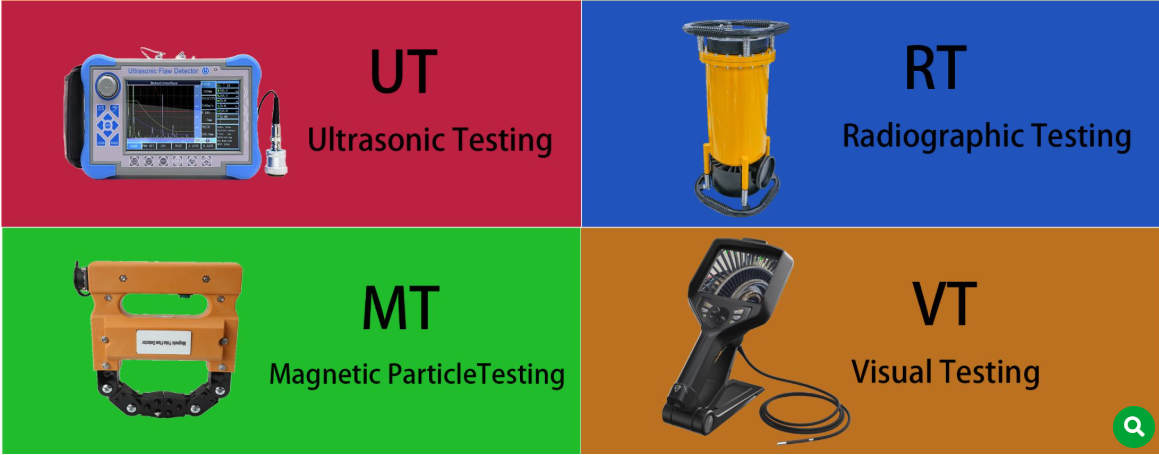
First, you need to decide which method you want to be certified in, for example:
VT (Visual Testing)
PT (Penetrant Testing)
MT (Magnetic Particle Testing)
UT (Ultrasonic Testing)
RT (Radiographic Testing)
2. Training
You must complete a course at an accredited training center.
Training includes both theory and practical sessions and typically lasts from a few days to several weeks (depending on the method and certification level).
3. Gaining Experience
Each method and certification level requires a specific number of practical working hours (so-called “on-the-job training”).
4. Certification
Certification is most commonly carried out according to the following standards:
ISO 9712 (the most widely recognized in Europe)
alternatively, employer-based certification according to SNT-TC-1A (commonly used in the USA)
The exam usually consists of:
a theoretical part
a practical part
sometimes a general and a specific exam
5. Certification Levels
Level 1 – you perform tests according to instructions
Level 2 – you interpret results and prepare reports
Level 3 – you supervise, create procedures, and train others
6. Vision Requirements
Valid eye examinations are required (very important in NDT).
In Poland:
Level 2: approx. PLN 7,000 – 13,000 gross
Top Level 3: up to ~PLN 18,000+
Abroad:
Germany: €45k – €70k per year
Netherlands: €50k – €80k
Norway: €60k – €100k
Middle East: even up to €120k
👉 In reality: 2–4× higher than in Poland
📈 2. Career growth – the biggest advantage
Working abroad offers:
access to large-scale projects (oil & gas, offshore, aerospace)
exposure to better equipment and procedures
faster progression into:
UT / RT / PAUT
QA/QC
supervisory roles
👉 This often accelerates your career by several years.
🌍 3. Requirements – not for everyone
For working abroad to make sense, you should have:
ISO 9712 / ASNT certifications
at least 2–3 years of experience
English (a must-have)
willingness to work on projects and travel
👉 Without these, it’s hard to reach a good level internationally.
⚠️ 4. Downsides (often overlooked)
This is not “easy money”:
❌ Lack of stability
contract-based work instead of permanent employment
gaps between projects
❌ Lifestyle
rotations, offshore, frequent travel
living away from home
❌ Pressure and competition
global job market
strong certifications are required
🧠 5. When it makes sense—and when it doesn’t
✔️ Worth it if:
you have Level 2
you want to earn more and grow faster
you are mobile
❌ Not worth it if:
you are just starting out
you are looking for a stable 9–5 job
you don’t want to travel
🔥 Most realistic career path (based on the market)
Start in Poland: VT/PT/MT + experience
Get Level 2 + a stronger method (UT/RT)
Work abroad for 2–5 years
Return as a senior / QAQC / inspector
👉 This is the most common and safest path.
🧩 Summary
💸 Yes – financially, it’s very rewarding
📈 Yes – career growth is much faster
⚠️ But it comes at the cost of stability and work-life balance